
Energy Management: Fuel Your Systems for Long-Term Success
At GoalsToSystems.com, energy management is a cornerstone of effective systems building. Aligning habits with your natural energy, attention, and time fluctuations makes systems more resilient and sustainable.
Systems fail less when they match your real-life rhythms—whether you're dealing with a humid afternoon that saps focus or managing a busy morning schedule. By treating energy as a finite resource, you shift from forcing productivity to working with it.
In practical, systems-first thinking (often associated with Scott Adams' writing), energy management helps your processes compound over time—without the crashes common in all-or-nothing goal chasing.
What Energy Management Really Means
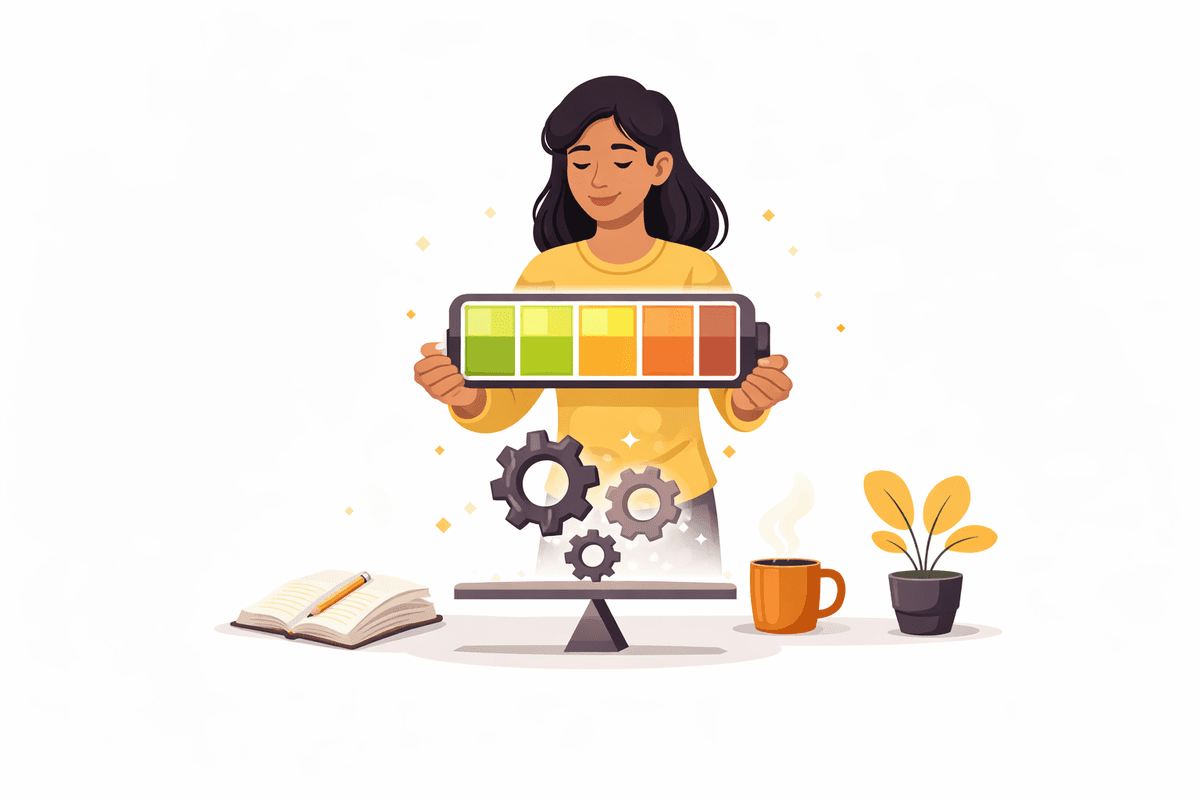
Energy management means recognizing and optimizing your physical, mental, and emotional resources across the day, week, or season. It's not about pushing through exhaustion—it's about designing systems that adapt to your varying states.
A simple way to categorize energy:
- High energy: peak time for deep, creative, or challenging work.
- Medium energy: supportive tasks like planning, reviews, or admin that keep things running.
- Low energy: minimal actions that maintain momentum (so you don't fully stop).
This pairs well with your natural rhythms (like predictable focus bursts): match task difficulty to your current state so consistency doesn't become a willpower battle.
Why Energy Management Helps Your Systems Thrive
Integrating energy awareness isn't optional if you want systems to last. Here's what it improves in practice:
- Prevents burnout and drop-offs:build “off-ramps” for low days so you keep progress alive.
- Maximizes efficiency: reserve high-energy slots for high-value work.
- Builds resilience: when life changes (heat waves, stress, schedule shifts), your system can flex.
- Enhances overall well-being: better pacing supports sleep, mood, and recovery.
- Compounds results: low-friction consistency beats occasional heroic effort.
Real-World Examples of Energy Management in Systems
Here are examples across categories, mapped to energy tiers:
- Career: High: strategic work in the morning. Medium: emails/meetings. Low: end-of-day notes. Example system: “After lunch (medium), review tomorrow's top 3 tasks.”
- Health & Fitness: High: workouts post-breakfast. Medium: meal prep. Low: 2-minute stretch. Local twist: schedule outdoor movement for cooler evenings.
- Finance: High: weekly budget review. Medium: daily expense logging. Low: quick app check. Example system: “During evening wind-down (low), glance at savings progress.”
- Personal growth: High: challenging learning. Medium: journaling. Low: one-minute meditation. Example system: “After coffee (high), learn one concept.”
- Relationships: High: plan meaningful outings. Medium: thoughtful messages. Low: a simple goodnight call. Example system: “Post-dinner (medium), share one daily highlight.”
For more real examples, explore Success Stories.
How to Apply Energy Management in This App
- Map your patterns: before entering a goal on the home page, note when you tend to have your best focus.
- Clarify with context: share details like “low energy afternoons” so the AI can tailor systems.
- Generate adaptive systems: look for energy tiers and minimum versions for low days.
- Make systems resilient: keep a minimum version, schedule the hardest work for your best time, and reduce friction by prepping tools in advance.
- Track and adjust lightly: use your Dashboard and pair with Tracking Progress.
Pro tip: start with one system, test energy alignment for a week, then scale. If it doesn't fit, regenerate and try a smaller version.
If stress is the blocker, you can do a quick reset first with Daily Calm AI (everyday wellbeing, not medical advice).
Final Thoughts: Power Your Systems with Smart Energy Use
Energy management is the secret sauce for systems that stick: honor your limits while designing for momentum. When you manage energy well, you can do more with less strain—and make self-improvement feel natural.
For related reads, check Habit Stacking or Systems vs Goals. Return to Resources or explore Categories. Ready to energize your goals? Visit the home page.