
Systems vs Goals: Understanding the Key Differences for Better Results
This guide breaks down the distinction between systems and goals, helping you see why shifting your mindset can lead to more sustainable self-improvement. Whether you're building a fitness routine or tackling broader ambitions like career growth or financial stability, understanding systems vs goals helps you build habits that last.
The “systems over goals” framing is often associated with Scott Adams' writing on process-first improvement. The key idea is simple: systems make progress repeatable and resilient.
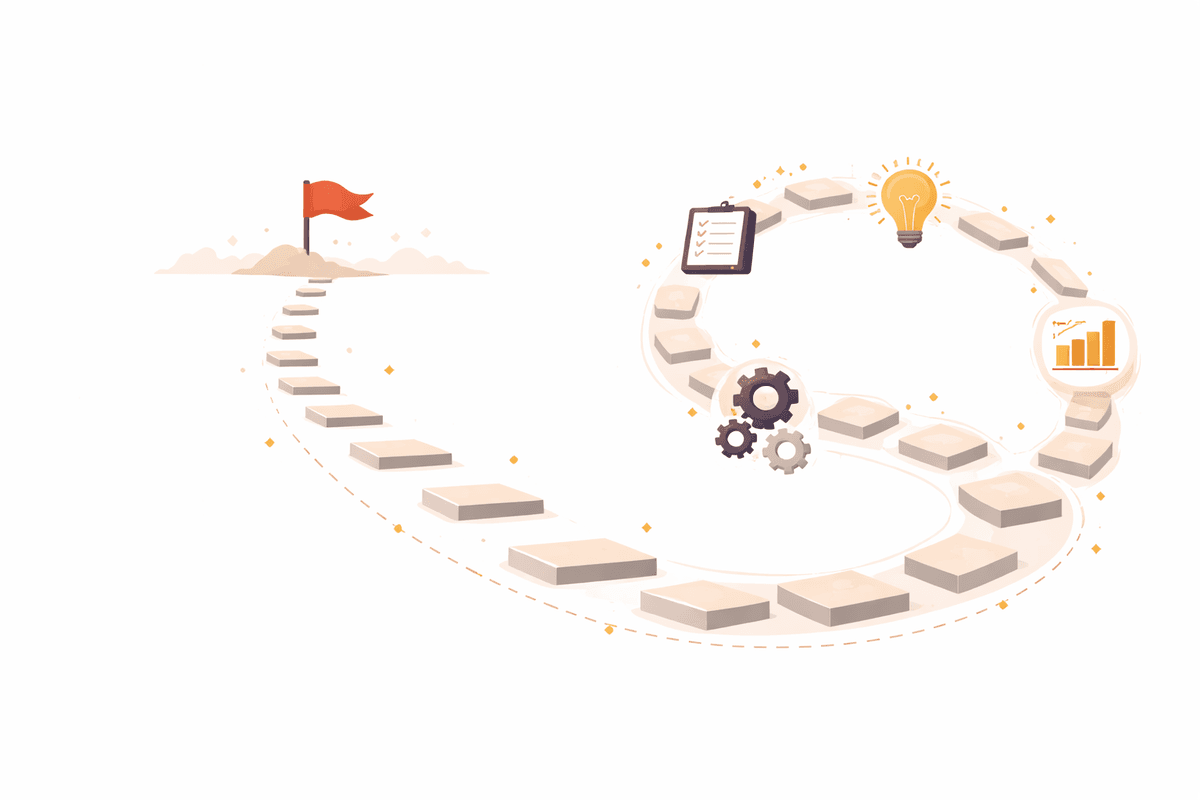
What Systems vs Goals Really Means
At its core:
- A goal is a specific destination or outcome you aim for, like “Lose 20 pounds” or “Earn $100,000 this year.” It can be motivating, but it can also feel binary—success or failure—if life intervenes.
- A system is the set of habits, routines, and feedback loops that make progress repeatable. It's about the “how”: consistent actions like “Walk daily” or “Review finances weekly.”
The key difference is what you measure day-to-day. Goals measure outcomes. Systems measure execution. Goals can create a post-achievement slump or discouragement if you miss the target; systems are ongoing and adaptable, so you can keep improving even through setbacks.
In psychology terms, outcome-focused thinking can create pressure during pursuit, while process-focused thinking reinforces consistency through repetition and feedback.
Why Choose Systems Over Goals?
Choosing systems isn't just philosophical—it's practical. Here are a few reasons systems often outperform goals in real life:
- Sustainability and consistency:systems integrate into routine, making them easier to maintain when motivation dips.
- Reduced risk of “failure” framing:with systems, you succeed by following the process—even if the timeline shifts.
- Adaptability to change: life in Bradenton (or anywhere) throws curveballs. Systems can be tweaked without starting over.
- Compound growth: small repeated actions build momentum over time.
- Lower emotional strain: systems emphasize steady progress and reduce all-or-nothing thinking.
In short: goals can point the direction, but systems do the work.
Real-World Examples: Systems vs Goals in Action
To illustrate the difference, here are a few side-by-side comparisons:
- Career: Goal: “Get a promotion in 6 months.” System: “Spend 20 minutes daily on skill-building and seek weekly feedback.”
- Health & Fitness: Goal: “Run a 5K.” System: “Do 15 minutes of movement after breakfast daily.”
- Finance: Goal: “Save $5,000 by year-end.” System: “Automate 5% of income to savings and track expenses every Sunday.”
- Personal growth: Goal: “Read 12 books this year.” System: “Read for 10 minutes before bed nightly.”
- Relationships: Goal: “Have more family time.” System: “Schedule a 15-minute daily check-in after dinner.”
If you want examples from other people's goals, visit Success Stories.
How to Shift from Goals to Systems Using This App
- Start with your goal: enter your objective on the home page.
- Add context: answer clarification questions so the systems fit your real schedule and constraints.
- Review the generated systems: notice how the app reframes outcomes into habits, routines, and feedback loops.
- Apply with feedback: implement one system at a time and do lightweight reviews using Tracking Progress.
- Make it easier to execute: layer in triggers using Habit Stacking.
Pro tip: if something reads like an outcome (“hit X by Y date”), refine it into a process (“do Z at this frequency”). The best system is the one you can keep running.
Final Thoughts: Embrace Systems for True Transformation
Goals can be useful as a compass. Systems are the path. When you focus on repeatable actions, you set yourself up for steady wins that keep working long after motivation fades.
Dive deeper with Systems Over Goals or explore Energy Management. Return to Resources for the full list, or browse Categories.